A new film from Netflix examines the controversial case of Lucy Letby, the British nurse who was jailed for murdering seven children, using unseen footage and expert doubts.
London: A new Netflix documentary is re-examining the shocking case of Lucy Letby, the former British nurse convicted of murdering seven babies.
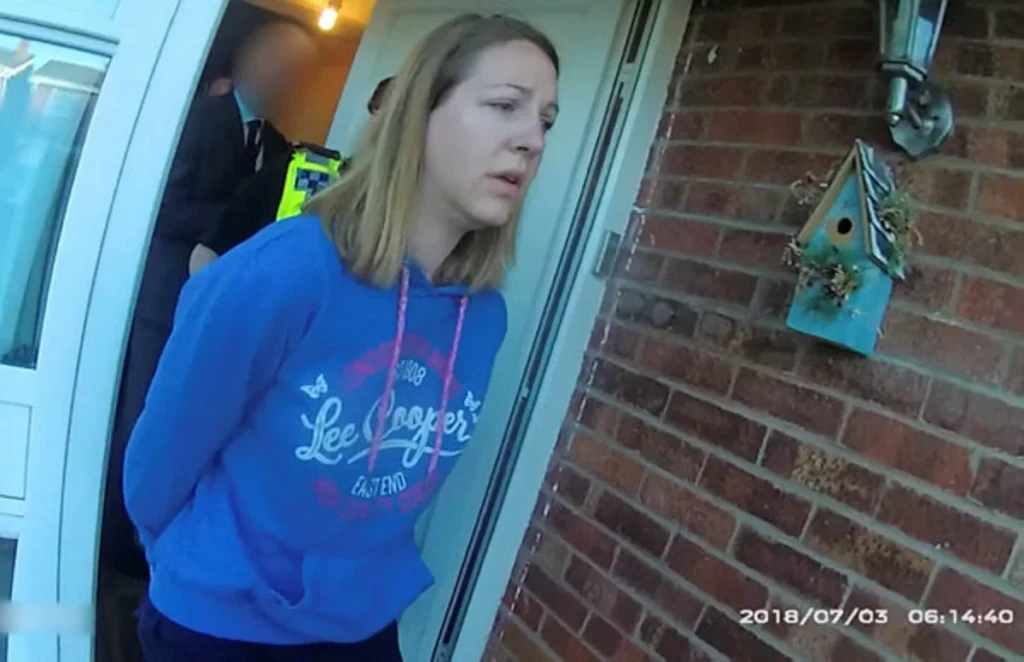
The film, “The Investigation of Lucy Letby”, includes previously unseen police bodycam footage of her arrest.
Letby’s parents condemned the documentary as a “complete violation of privacy”.
He said he had no idea that footage from inside his family home was being used.
The 90-minute film presents perspectives from both sides of the controversial case.
It highlights Letby’s “no comment” police interviews and her diary entries marked with asterisks on the dates of the children’s deaths.
On the contrary, it includes testimony from experts who question the safety of his conviction.
Canadian physician Shu Li challenged the expert evidence presented at his trial.
A former colleague, pediatrician John Gibbs, expressed “small, small, small” doubts about her guilt.
“I’m living with two forms of guilt,” Gibbs says in the film.
“The crime is that we let the kids down, and the smaller, smaller, smaller crime: Did we get the wrong person?”
Letbi was convicted of the murder of seven infants and the attempted murder of seven others in 2023 and 2024.
He was accused of injecting air into children, overfeeding them and poisoning them with insulin.
The former nurse has always maintained her innocence and was twice refused permission to appeal.
An international panel of medical experts has since argued that his conviction constituted a miscarriage of justice.
The Criminal Cases Review Commission is currently considering this new evidence.
The inquest into the deaths of six infants has been adjourned until May.
The public inquiry into the wide-ranging case is due to be published later this year.
Health Minister Wes Streeting said his fate should be decided by the courts, not by campaigners.
He stressed that this should only be changed if the court finds something “has gone wrong” in the judicial process.