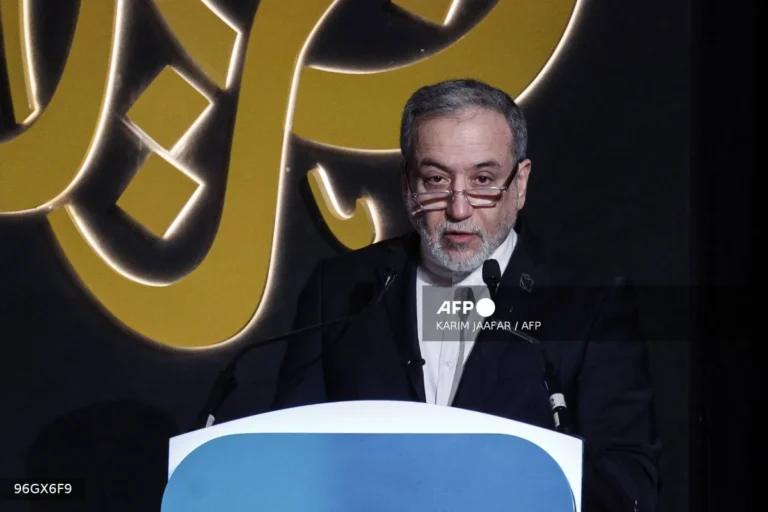
“We will communicate closely with the US regarding this matter and make a decision after careful review,” South Korea’s presidential office said in a statement on Sunday.
“I consider the threshold for sending Japanese navy ships to the area extremely high under current Japanese laws,” Takayuki Kobayashi, policy chief of Prime Minister Sanae Takachi’s ruling Liberal Democratic Party (LDP), told public broadcaster NHK.
US President Donald Trump reiterated his call for allies to help secure the Strait of Hormuz in a post on Truth Social on Saturday.
Trump said, “…countries in the world that get oil through the Strait of Hormuz should take care of that route, and we will be very helpful.”
Oil prices are expected to be significantly impacted by latest developments related to the Strait of Hormuz due to further escalation of the US-Israel war over Iran.
WTI Oil FAQs
WTI oil is a type of crude oil that is sold in international markets. WTI stands for West Texas Intermediate, which is one of three major types including Brent and Dubai crude. WTI is also called “light” and “sweet” due to its relatively low gravity and sulfur content, respectively. It is considered a high quality oil that can be easily refined. It is sourced in the United States and distributed through the Cushing Hub, considered the “Pipeline Crossroads of the World”. It is a benchmark for the oil market and the price of WTI is often quoted in the media.
Like all assets, supply and demand are the key drivers of the price of WTI oil. Thus, global growth can be a driver of rising demand and vice versa for weak global growth. Political instability, war and sanctions can disrupt supplies and impact prices. Decisions by OPEC, a group of major oil producing countries, are another major price driver. The value of the US dollar affects the price of WTI crude oil, as oil is primarily traded in US dollars, thus a weaker US dollar can make oil more affordable and vice versa.
The weekly oil inventory reports published by the American Petroleum Institute (API) and the Energy Information Agency (EIA) influence the price of WTI oil. Changes in inventory reflect fluctuations in supply and demand. If the data shows a decline in inventories it could indicate increased demand, sending oil prices higher. Higher inventory may reflect increased supply, driving prices down. The API report is published every Tuesday and the EIA report the next day. Their results are generally similar, coming within 1% of each other 75% of the time. EIA data is considered more reliable because it is a government agency.
OPEC (Organization of the Petroleum Exporting Countries) is a group of 12 oil producing countries that collectively set production quotas for member countries in twice-yearly meetings. Their decisions often impact WTI oil prices. When OPEC decides to reduce quotas, it could tighten supply, causing oil prices to rise. When OPEC increases production it has the opposite effect. OPEC+ refers to an expanded group that includes ten additional non-OPEC members, the most notable of which is Russia.