

Star parties, held in a national park in Idaho in 2017, can be wonderful social events. Just make sure you’re ready to participate. Credit: Craters of the Moon National Park Monument and Preserve/NPS/Jacob W. frank
Some people may think that the word astronomer And party animal Don’t go together. Nonetheless, for many astronomy lovers, star parties are the social highlight of the observing season.
Star parties are informal gatherings of amateur astronomers that let them share the night sky and their telescopes with the public and other observers. They can range from a few hours at a local park to week-long events held at remote dark locations. They are usually sponsored by a local astronomy club, museum or park. You can bring your own binoculars or look through others’ binoculars.
Before you take to the starry skies and join in the fun, there are a few things you need to decide and prepare for, so if star parties are new to you, read on for advice on how to make the most of your first party. The motto “Be Prepared” isn’t just for Scouts. This applies to amateur astronomers too!
Preparation
First on the list is to find out as much as possible about the star party you are planning to attend. Major star parties will probably have a dedicated website or Facebook page. If it’s a small event hosted by a local club or museum, look for details posted on the sponsor’s website.
Key information to view includes locations, dates, times, fees, registration requirements, camping information, food service, event details, weather contingencies and Star Party rules. Pay careful attention to the rules and deadlines for registration. If you know someone who has attended a Star Party before, ask them to share their experiences and any tips or suggestions.
If the Star Party location is close enough to you, consider going there earlier in the day. By checking it out before you go, you can find out where to look, parking, and important amenities like restrooms or porta-potties.
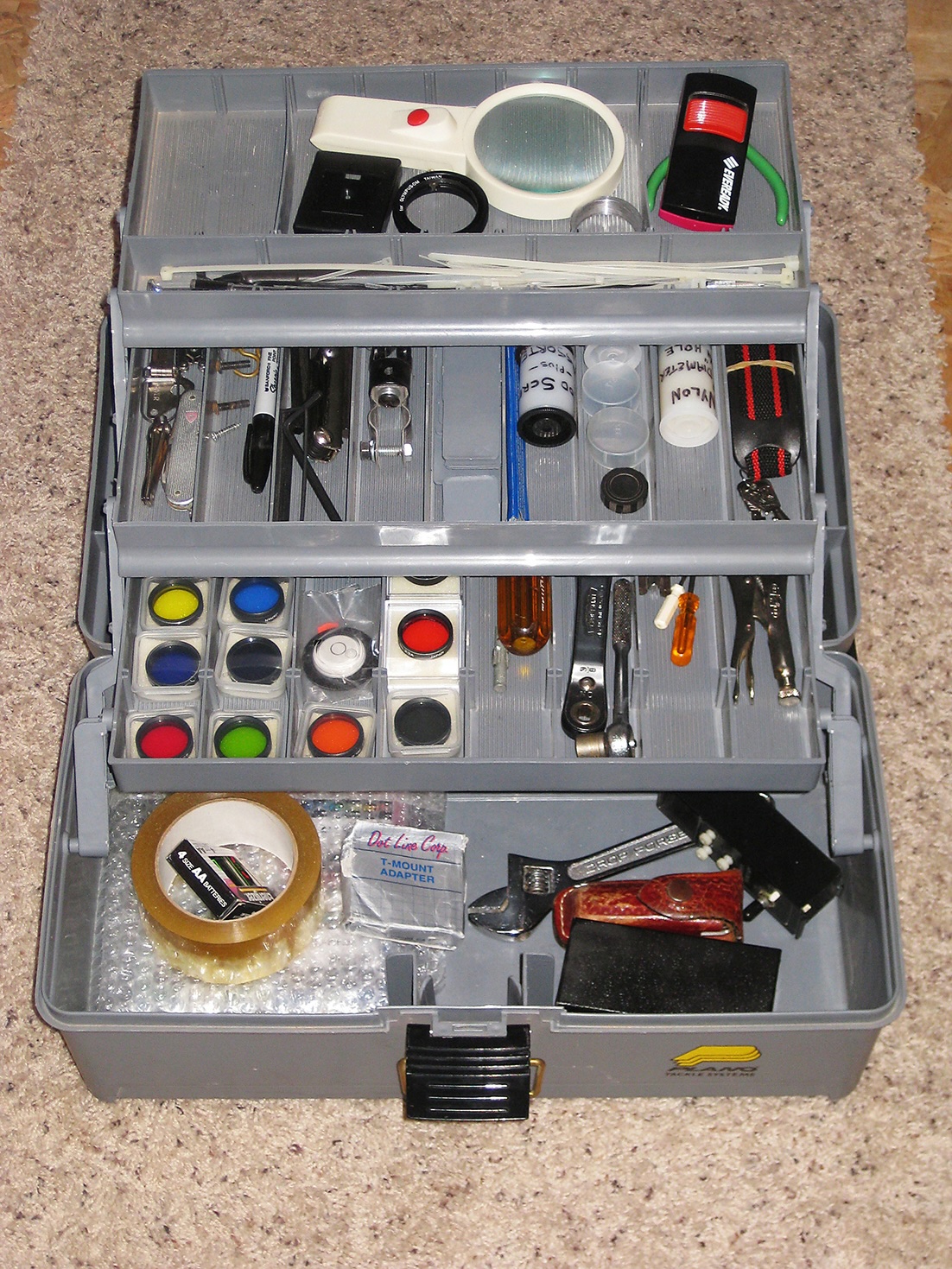
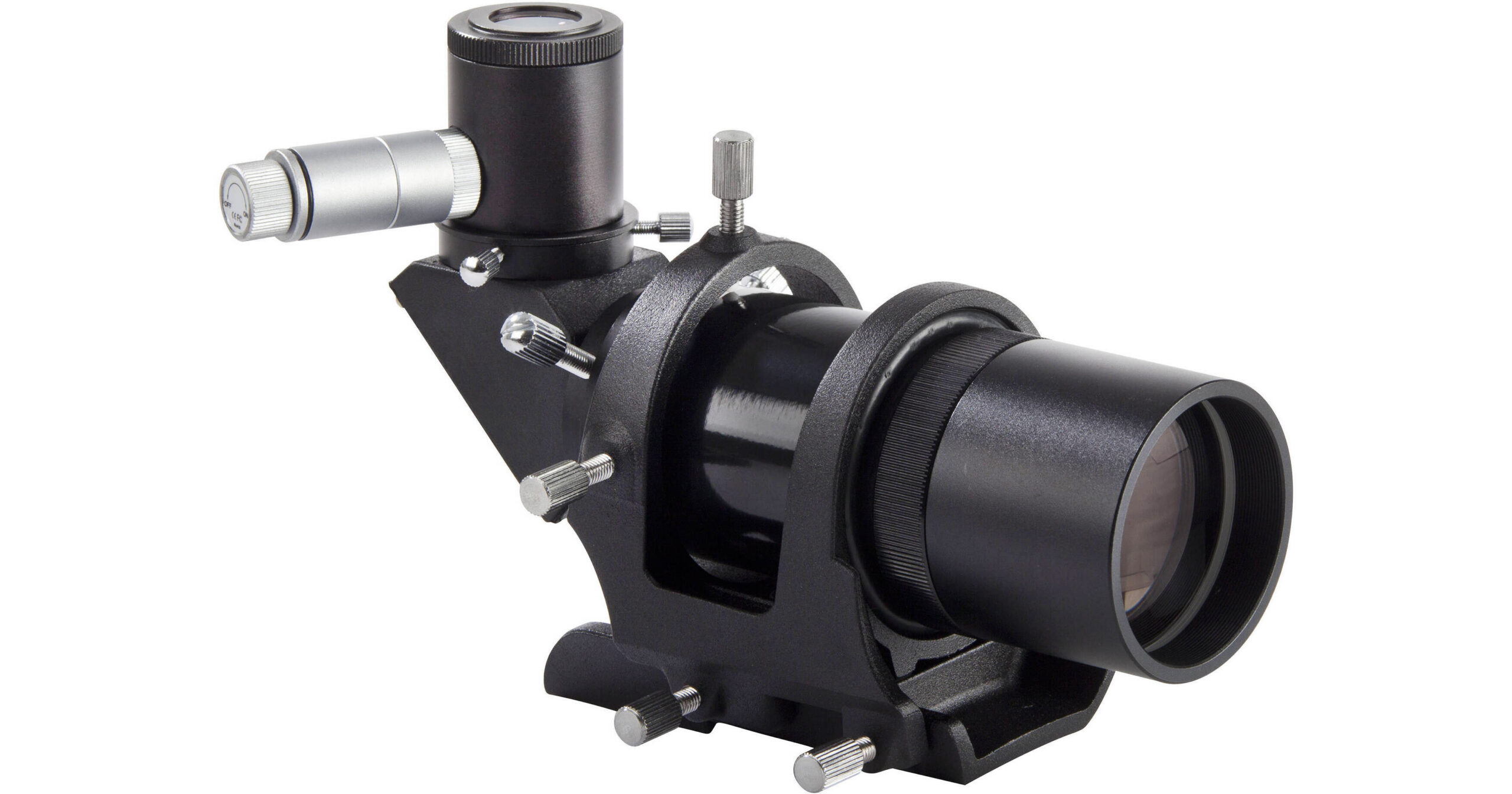
If you’re bringing a telescope or camera gear, make sure you take the time to make a thorough checklist of things to bring. (Trust me, it’s no fun carrying binoculars hundreds of miles to a star party only to discover you forgot to bring eyepieces.) One way to do this is to prepare your setup at home well in advance of the star party. Make a detailed list of each item you need to use your telescope – for example, telescope tube, tripod, mount, eyepiece, counterweight, slow motion cable, finder scope, batteries, electronics, and manuals. And don’t forget any tools you need to assemble or adjust your gear. If you use a star atlas or guidebook, list that as well. You can reuse the same checklist when you pack to go home so you don’t leave anything behind. If this is going to be your first star party, you may want to leave your telescope at home and just enjoy the experience and watch other people enjoy the views.
light advice
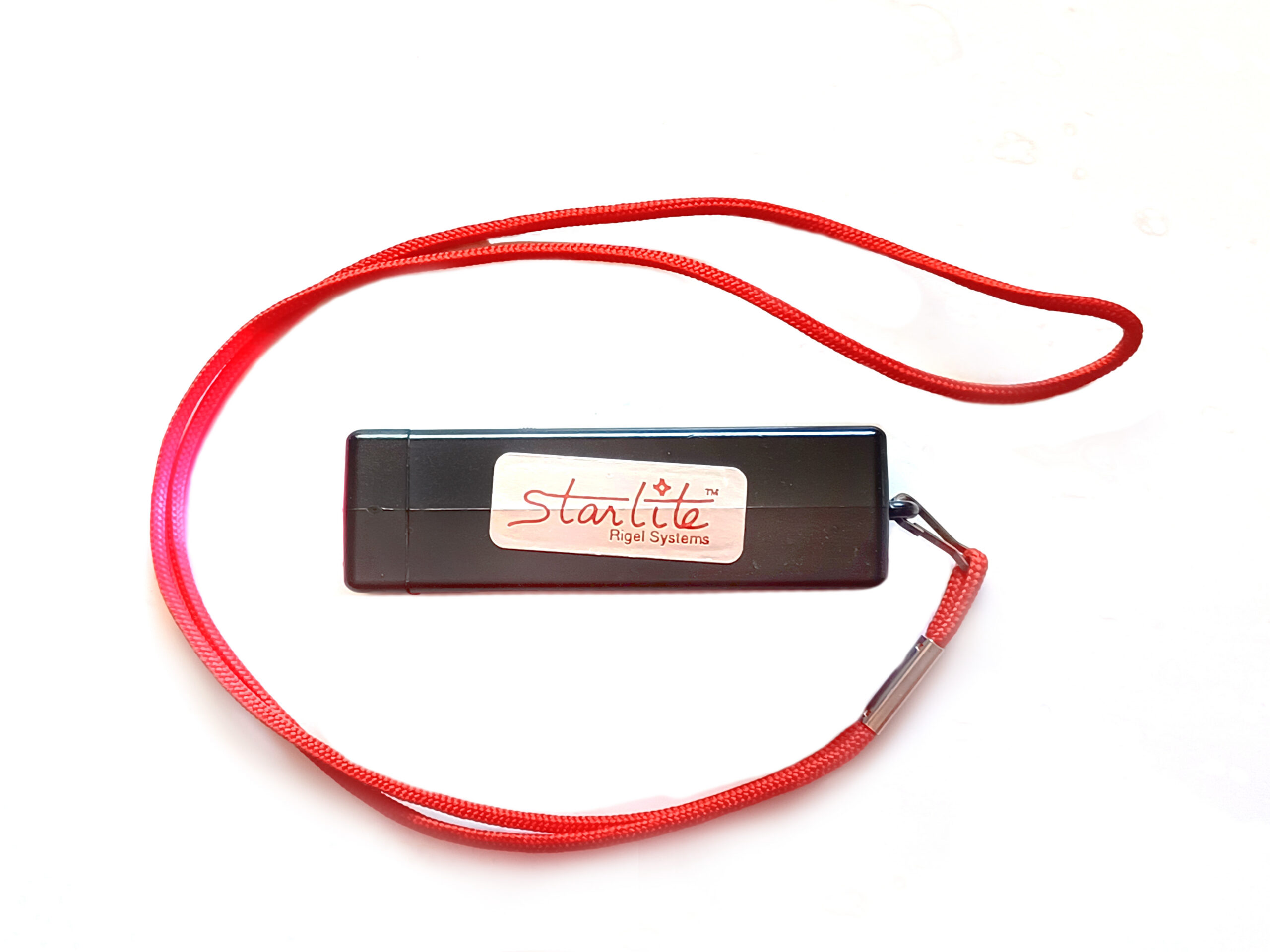
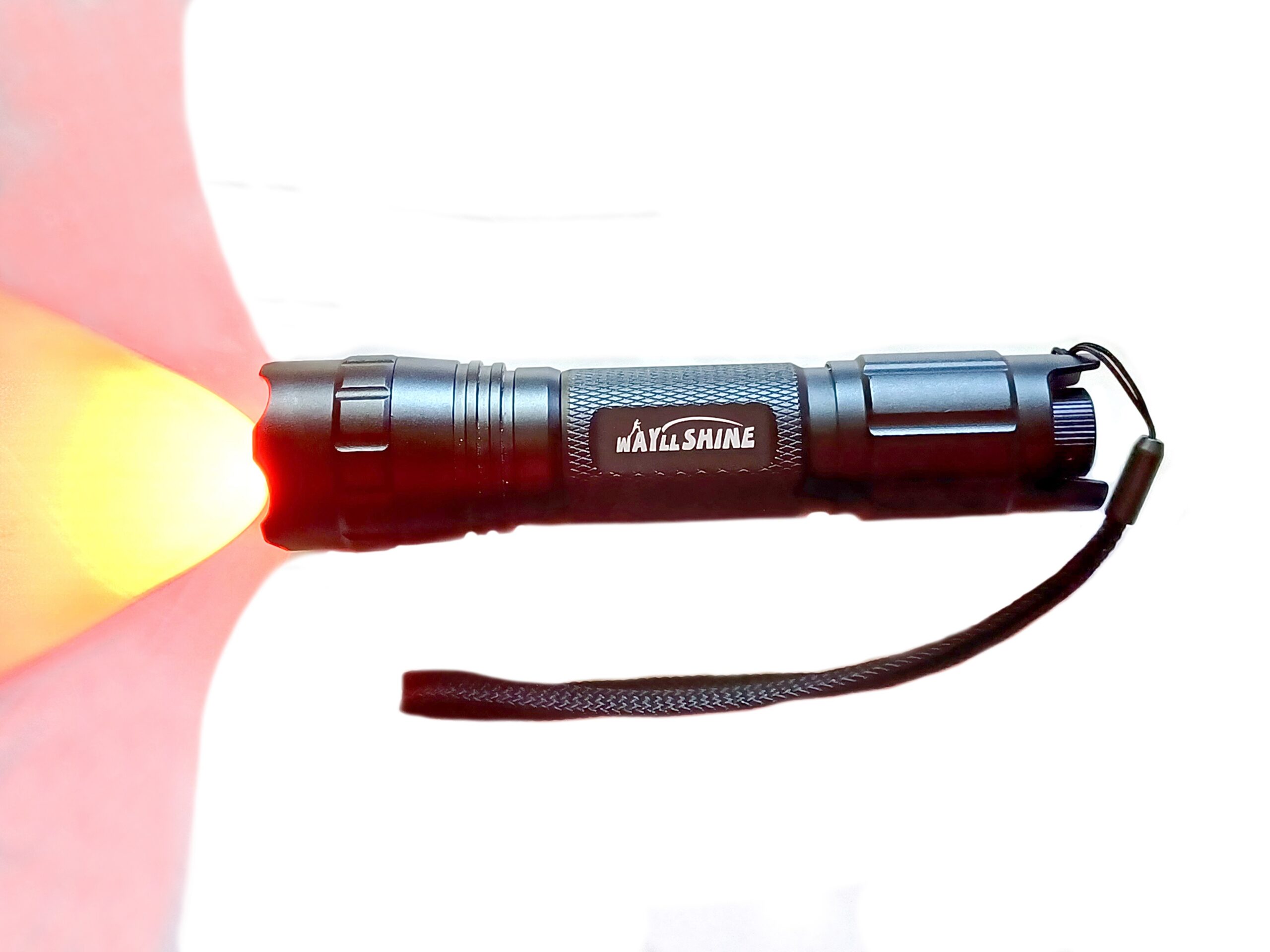
The most important equipment to bring along is a red flashlight and extra batteries. By “red” I mean one that emits red light instead of white light.
To better see faint stars, star clusters, galaxies, and nebulae, you’ll need to adapt your eyes to darkness. To do this, you should avoid looking at any bright light, especially white light, for 20 minutes or more. This causes the pupils of your eyes to open to their widest width and causes a buildup of light-sensitive chemicals in your retina. Exposure to any bright light will spoil your dark adaptation and you will have to start all over again.
But you will need at least some light to be safe and see star charts and instruments. Research shows that red light is the least damaging to night vision, so a good red flashlight is an astronomer’s best friend. Buy one that is as bright as needed to read charts or walk around safely at night.
A dimmable red light is best. Some off-the-shelf flashlights include a red or night vision setting, but avoid those that force you to click through one or more white light modes before switching to red. Instead, look for a switch with a separate switch just for red mode.
You can also red-shift a white flashlight by covering the lens with dense red plastic, such as the clear red tape sold in auto parts stores for temporary repair of broken taillights. In a pinch, you can also use a brown paper bag to dim the white flashlight and turn it red. There are also red cellphone flashlight apps that you can download. But use any flashlight sparingly during a star party, and be careful not to shine its glare directly into anyone’s eyes or binoculars.
Speaking of no white lights, be sure to cover or turn off any white lights in your car so opening the doors doesn’t destroy the night vision of fellow stargazers. This brings us to the tricky issue of external car lights: Make sure you get to the star party before dark so your headlights don’t spoil the view. If for some reason you arrive after dark, try to park away from the telescopes where your headlights will not fall on observers. If you think you may need to leave before dawn or before the star party officially ends, park again where your headlights or taillights won’t blast the observation area. (Of course, in any case, safety should take priority. If you have to turn on the white light for an emergency or to drive your vehicle safely, do so.)
Another light source that people sometimes forget is the device screen. Laptops, tablets and cellphones are useful devices, but their bright screens can ruin your night vision in an instant. So, before it gets dark, reduce the screen brightness as much as possible and see if you can change the screen background to black and the text color to red. For laptops, adapt a plastic bin or cardboard box of appropriate size to limit light to one direction. Painting the inside of the box flat black is a big help.
beyond the clear sky
It is important to be prepared for the weather at a star party. Always check the latest forecast. If a hurricane or severe storm is approaching, you may want to reconsider plans to attend. In some cases, hosts may cancel it, so stay informed.
Also check the expected night temperatures. Even though daytime temperatures may be quite hot, once the sun sets, it can quickly cool down. Be sure to bring gloves, a hat, and extra layers. Ordinary sneakers may not be enough to keep your feet warm; You may consider bringing insulated shoes.
Don’t plan to warm up in your car with the engine running, as the smoke will bother your fellow stargazers. You’ll find that the small disposable charcoal and iron hand warmers sold for campers and hunters come in handy for frozen fingers – and even for removing dew from telescope optics. There are also rechargeable electric handwarmers available.
Apart from cold, be prepared for rain and dew. Bring along a plastic tarpaulin or plastic garbage bag so you can quickly cover your telescope and other gear if a sudden rainstorm comes. If you notice where dew may form on your optics, invest in a telescope dew heater or battery-powered car window defroster to remove the moisture.
Other Tips
Besides the weather, be prepared for creepy crawlies. Depending on where you stare, these could be mosquitoes, flies, spiders, scorpions, ants or ticks. To avoid the latter, don’t sit in tall grass or bushes. A good insect repellent comes in handy for star parties. However, be careful with DEET-based repellents: DEET can damage plastics, rubber, paint, inks, and some coatings.
If your star party is more than a one-night stand, be sure to bring sunblock. And personal comfort is important. Bring snacks, a thermos of hot or cold drinks (not alcohol) and some toilet paper – just as needed. If you plan to spend more than one night at Star Party, be prepared to camp out. Some programs may offer cabins or bunk houses, but those are the exceptions. Even if you plan to sleep in your vehicle, you’ll still need blankets, food, and non-alcohol beverages.
Set up your equipment before dark. This allows you to align your finder telescope on distant trees or utility poles, review your object lists, and level your optics if you have a reflector. If you’re having trouble with setup, feel free to ask for advice from others, but keep in mind that they may be busy setting up their gear initially.
As a courtesy to others, do not play music during the star party. Not all astronomers have the same taste in music, and most enjoy the night sounds of nature. Similarly, if you must smoke or vape, please do so with consideration for others while downwind.
After setup, feel free to wander over to other telescopes and socialize. Amateur astronomers are a friendly bunch. But it’s best to ask permission before looking into someone else’s scope, and you should avoid touching the device without the owner’s consent. Specific questions you might ask include, “What are you seeing?” and “What type of telescope is this?” or “What power/eyepiece are you using?” Be especially careful where you aim your red flashlight, especially if someone is imaging.
If you follow these guidelines, your evening under the stars should be heavenly and hassle-free.
ken Wilson He is a longtime observer and reflecter who has been to many star parties during his time on this planet.


