

HedgeEye has filed for a “Hedged Bitcoin” ETF that would combine exposure to a spot ETF with an options overlay designed to reduce volatility and manage downside risk. Bloomberg ETF analyst James Seifert flagged the filing on X, calling it a new attempt to package BTC exposure in a more defensive wrapper.
“Wow – NEW: HedgeEye ‘Hedged Bitcoin’ ETF was just filed,” Seifert wrote. He said that, according to the filing, the product will “maintain a Bitcoin ETF and use options strategies to reduce volume and downside risk.”
According to the prospectus excerpt shared by Seifert, the proposed fund is to be named HedgeEye Hedged Bitcoin ETF and will be listed on NYSE Arca, Inc. It will trade under the ticker HBIT. The document remains preliminary, stating that the information “is not complete and may be changed,” and the securities cannot be sold until a registration statement filed with the Securities and Exchange Commission becomes effective.
Bitcoin exposure with risk overlay
The core structure is straightforward: The fund seeks Bitcoin exposure through ETPs and ETFs, while using options to reduce volatility and limit downside. The prospectus states that the fund aims to “reduce volatility and manage downside risk through an options strategy that involves the purchase and/or sale of put and call options” based on proprietary signals from HedgeEye Risk Management, LLC.
Those signals are described as “risk threshold” signals, which the filing said are used to develop market entry and exit points for investable assets. In practice, ETFs will not simply buy and hold products linked to Bitcoin. It will adjust its option positions based on market conditions, implied volatility, Bitcoin price trends, liquidity and other factors determined by the advisor.
“The Fund will use shares and/or indices of the Reference ETP or options on ETPs and ETFs that provide exposure to Bitcoin price movements,” the filing said. “The Fund’s options strategy is designed to reduce volatility and manage downside risk while maintaining exposure to the performance of Bitcoin through investments in ETPs and ETFs.”
That language places HBIT in a growing category of crypto products whose purpose is not to maximize raw profits, but to change the return profile of Bitcoin exposure. For allocators, the relevant pitch is not just access to BTC, which is already available through spot ETFs, but a rules-based overlay intended to make that risk more tolerable during drawdowns.
Protection from downside, but with a trade-off
The filing makes clear that the rescue comes with a cost. The fund’s options positions are “designed to provide downside protection,” but it can also mean “often giving up some upside potential.” This is the central trade-off of the strategy: Investors may get an easier ride in adverse markets, but they may also give up some of Bitcoin’s gains during strong advances.
“The purpose of the premium received from writing options is to provide income to offset the cost of purchasing the option,” the filing said. The Fund can buy and write both standardized exchange-traded options and flexible exchange options, or flex options, which are exchange-listed contracts with customizable terms such as strike price and expiration date.
The prospectus also notes that both standardized exchange-traded options and flex options are guaranteed to be settled by the Options Clearing Corporation. Flex options differ from typical listed contracts because investors can customize some of the key terms that are normally standardized.
At press time, BTC traded at $62,719.
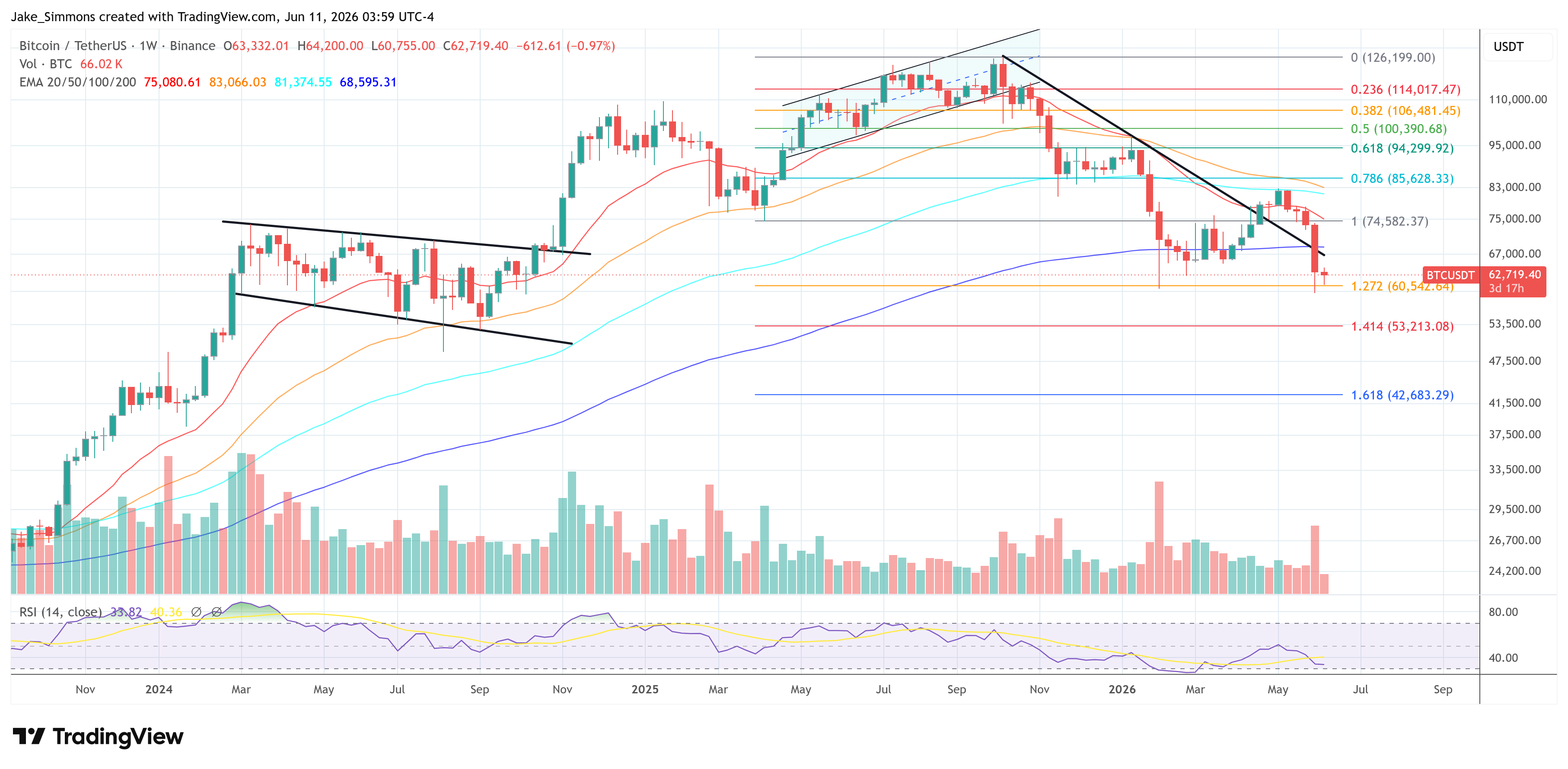
Featured image created with DALL.E, chart from tradingview.com
editorial process Focused on delivering thoroughly researched, accurate and unbiased content for Bitcoinists. We adhere to strict sourcing standards, and each page undergoes diligent review by our team of top technology experts and experienced editors. This process ensures the integrity, relevance and value of our content to our readers.


